

Many novice and intermediate players in no limit cash games often get confused as to when they should continue firing further barrels post flop. I think the best way to approach this is by way of looking at it from a standpoint of equity. This means pot equity along with fold equity. When you have ample pot equity coupled with fold equity then you can continue to be aggressive because as we all know…..aggression wins pots.
Let us look at an example to show you what I mean. You open raise in the hijack seat in NL100 with the Qd-Jc and everyone folds but the big blind. Your raise was a standard pot sized raise to 3.5bb and so there are now 7.5bb in the pot. The flop comes 9d-5s-2c and your opponent checks. Here I would definitely make the c-bet because I have a combination of pot equity and fold equity. My pot equity with the six outs to the overcards and the backdoor straight draw are on the low side. However the hand is heads up and I am the aggressor.
Board Texture is Key
On top of that and the board is dry and so my fold equity is high. Couple these two factors and a c-bet is mandatory. Now contrast that to a situation where both blinds call and the flop comes 7h-6h-4s and both opponents check. Here my pot equity is less because there is no backdoor draw and the fold equity having an extra opponent is substantially less. Betting here is more marginal and a check is a solid play.
In fact if we change the board again to one where there are three diamonds and I would definitely check it back. So we can see that our level of post flop aggression can be dovetailed to how much equity we have got in the pot. More equity means a greater potential to keep our foot on the gas. What ultimately makes your plays profitable when you c-bet and barrel the turn is the added equity in your hand on those times that you are called.
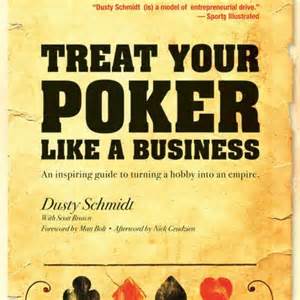
So remember that pot equity and fold equity have a huge impact on whether or not you should c-bet and fire further barrels which was mentioned as I recall by Dusty Schmidt in his excellent book that I have read more times than I can care to remember. Another example can be seen from the following hand. You make it 3bb to go from the cut-off and the big blind calls you. Your hand is the 7c-6c and the flop comes Qd-4s-2c.
Poker Tactics
Here I have very little pot equity and my fold equity isn’t great either. I often go for what is called a delayed c-bet. Now let us look at the mechanics of this play for a minute. If you bet the flop and get check-raised then you have a clear fold. If you bet the flop and your opponent folds then your problem is over here also.
However it is when you bet the flop and get called that your problem is starting to appear. If you miss the turn then you either have to give up which is weak poker or you have to fire a second barrel which is now becoming quite risky. So to prevent that situation from happening we can check the flop and see what our opponent does on the turn.
If they bet and we don’t pick up anything then we have a clear fold. However if they check twice to use then this is at least an indication that our opponent doesn’t hold a monster. They have a mediocre hand at the very most and they likely have air just like us.
Carl “The Dean” Sampson is an online poker pro and can be found at www.888poker.com

